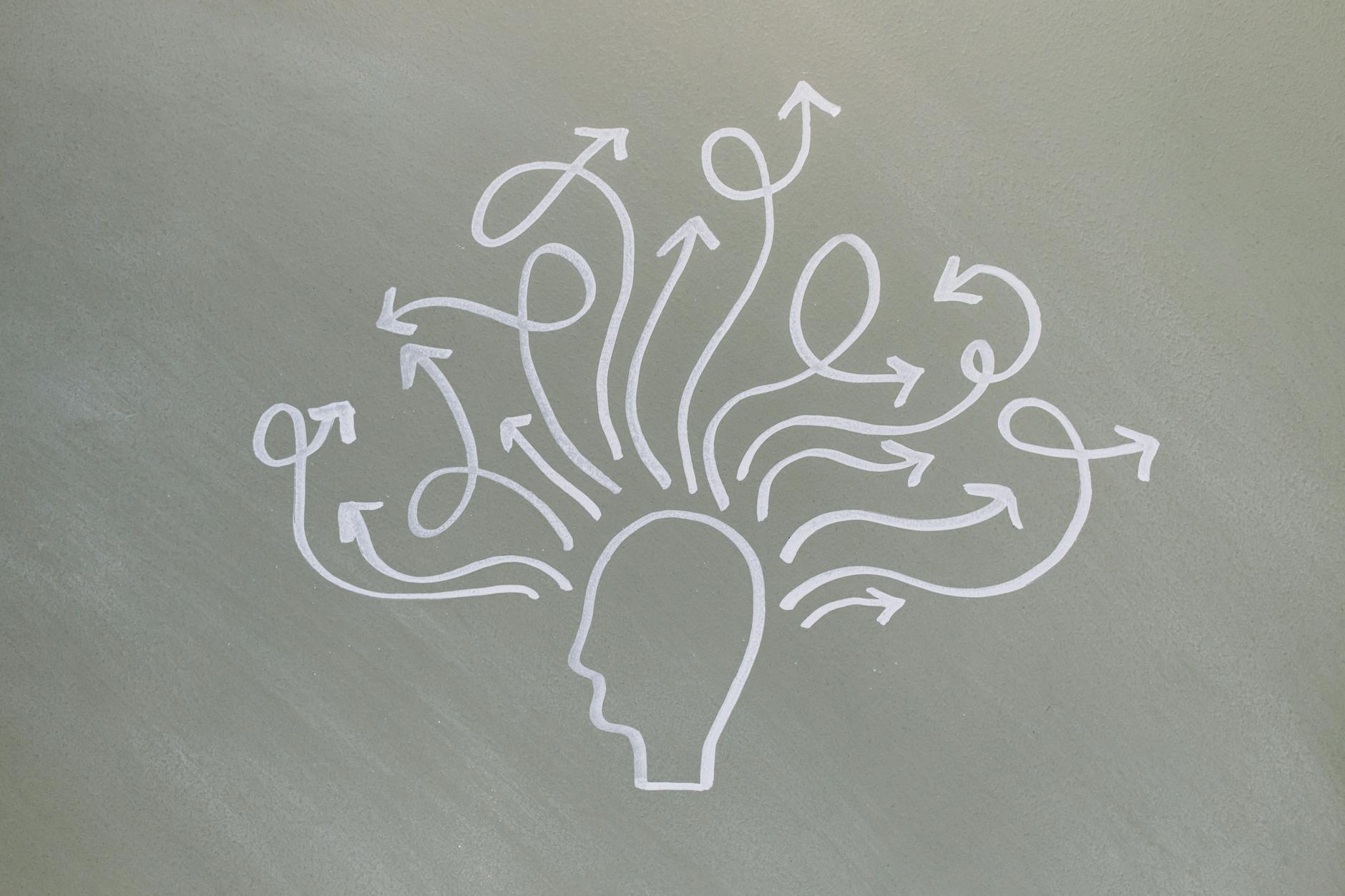
Therapeutic physical and mindful responses for when anxiety feels urgent

When anxiety overwhelms, it is useful to have skills to practise. Learning these skills at a calmer time may help to have them ready for when needed. Below are just a few suggestions for when panic or anxiety feels high.
Being kind to yourself, remembering that this feeling will pass, and reassuring with compassionate curiosity can all help. In the moment of overwhelm, it can be helpful to practise slowing down – anxiety makes us want to do something and react quickly. This is not always helpful and can make things worse.
- Stop and pause – in that pause there is a strength and a moment to consider the next right action. Even saying the word STOP or PAUSE aloud to yourself may help with this
- Change your location if possible, even standing up if you’re sitting or moving to another part of the room if you aren’t able to leave the room provides some distance and helps with the pause before acting on anxiety
- Notice that the feeling is there, it’s likely to help with the reminder that it will pass, and help create that distance that can bring more clarity.
- Gently and compassionately get curious with yourself – ask yourself what might have prompted this feeling? Is there something I can do to change things in this moment? How can I feel calmer? What has helped when I have felt this way before?
- A walk can be useful, getting your body moving can help alleviate some stress and signal to your brain that you are “doing”, or if you are indoors perhaps try stretching your limbs and pushing your hands firmly against a wall to feel the resistance and your muscles working.
- Notice your breathing – is it fast, slow, deep or shallow? Focus on taking a deep breath and how that breath feels in and out.
- Counting your breath, or as you breathe, can help – there are lots of different techniques for breathwork. In this moment, perhaps keep it simple just counting as you breathe in, holding and breathing out for a number of seconds each.
- Focus on something nearby and notice something about it, or your own feet – notice where your feet are and how they feel. This can help ground you in the present moment and help create awareness of your physical presence.
If you struggle with anxiety and emotional regulation or reactions to anxious thoughts, know that you are not alone and support is available. Perhaps you have recognised that some of the ways you have been coping are not working for you anymore and you’d like to change or learn new coping skills. Perhaps you have specific concerns and anxieties or worries about certain topics. If you would like to talk to a qualified therapist and help to understand more about yourself, please get in touch via my contact form here or read more on my website here.
Counselling@talktherapywithclaire.org
Information and views offered on my site are not a substitute for medical or professional therapy or diagnosis and do not constitute therapy. Please contact your GP or emergency services if you need urgent personal treatment.
Leave a Reply